The Setup: Moab, Chris Birch, and Two KTMs
October in Moab is different. The desert heat breaks, the crowds thin out, and the slickrock becomes a playground for those who know. Iwan and I had hauled our KTM 790 Adventure Rs out for something special – three days with Chris Birch's "Say No to Slow" adventure riding course.
If you don't know Chris Birch, imagine someone who can make a 500-pound motorcycle dance like a trials bike. The New Zealand legend had us hitting lines we'd never dream of attempting. Three days of clutch control, body positioning, and reading terrain in ways that reshape how you see every trail ahead.
Between sessions, while other riders reached for energy bars and jerky, Iwan and I pulled out zip-locks of homemade biltong – air-dried beef we'd prepared before leaving Pennsylvania. Chris noticed immediately and tried some. "That's proper fuel," he said, recognizing the South African staple. No sugar crash, just clean protein and natural fats. Exactly what you need when you're wrestling bikes through sand washes all afternoon.
Why Biltong Beats Every Other Road Trip Snack
Here's what three days of intensive riding teaches you about nutrition: sugar is your enemy, and most "healthy" road snacks are anything but. Gas station jerky? Loaded with sugar and preservatives. Energy bars? Sugar bombs in disguise. Trail mix? Mostly candy with some nuts thrown in.
Biltong is different. It's beef, salt, coriander, and vinegar – air-dried the way it's been done in South Africa for centuries. High protein, zero sugar, naturally preserved. It doesn't melt in tank bags, doesn't need refrigeration, and actually sustains you through long riding days. We'd made pounds of it before leaving, not knowing this trip would inspire us to share it with every adventure rider in America.
The Route: Leaving Moab for Points Unknown
Days 4-5: Moab's Hidden Gems
Course complete, skills sharpened, we pointed north. But first, two stops most riders miss in their rush to hit Arches or Canyonlands.
Dead Horse Point State Park (38.4869° N, 109.7376° W) at sunrise is untamed perfection. The Colorado River bends 2,000 feet below, and in October's light, the entire canyon glows orange and gold. We sat on the rim, bikes cooling, slicing biltong with pocket knives, coffee steaming in our jetboil, and watching the world wake up.

Castle Valley Scenic Byway (Gateway: 38.6547° N, 109.4501° W) tested every skill Chris had taught us. The red rock towers of Castle Valley make you feel properly small, and the dirt sections had us dancing on the pegs, finding that perfect balance between speed and control.
Day 6: North to Grim Cycles
The ride from Moab to Orem should be straightforward highway, but we don't do straightforward. BDR Utah's eastern sections called, and by the time we rolled into Grim Cycles (40.2969° N, 111.6946° W), our bikes wore the evidence of proper adventure riding – dust-caked, chain slack, air filters begging for mercy.

Sean Jordan at Grim Cycles gets it. This isn't some chrome-and-coffee boutique shop – it's where serious riders go for work before heading out to the Bonneville Salt Flats. Sean set us up with a quick tire swap and chain adjustment, and with a few single track recommendations, sent us on our way.
Day 7: The Snake River to Jackson
The Snake River Canyon (Start: 43.0758° N, 110.7624° W) in October should be mandatory fall viewing for every American. The aspens had turned gold, the river ran low and clear, and our 790s hummed along the canyon curves like they were built for this exact road. Idaho's BDR sections had challenged us with everything from river crossings to ridge roads that dropped off into nothing, but it was the dirt trails along the Snake that reminded us why we ride.
We made it to Jackson at sunset. Boots on the rail at the Cowboy Bar (43.4799° N, 110.7624° W), local bourbon in hand, biltong on the bar. That's when the conversations started. Other travelers all asking the same question: "What is that, and where do I get it?"
"We make it," we said. "But you can't buy it anywhere."
Yet...

The Moment Everything Changed: Stealth Camping and Revelation
Between Jackson and Yellowstone, we came across a forest service road with a "Closed for Season" gate that our KTMs slipped around easily. This is the advantage of traveling light and riding bikes that can handle anything – access to places four-wheelers and RVs will never see.
By headlamp, we set up camp in a small clearing. No fire (stealth means stealth), just mountain cold, stars breaking through the pines, and our remaining biltong supply laid out on a flat rock. That's when it hit us.
"Nobody in America is doing this right," Iwan said, slicing another piece with his Leatherman. "Every adventure rider, every hunter, every athlete who actually needs real fuel – they're stuck with garbage."
The conversation ran until our headlamp batteries dimmed. By the time we crawled into our bags, Brave Biltong had gone from late-night idea to inevitable reality.

Days 8-12: Yellowstone in the Off-Season
Old Faithful Inn (44.4605° N, 110.8281° W) in late October is Yellowstone as it should be experienced. The summer chaos gone, the inn's massive log lobby filled with only the most dedicated park enthusiasts. We'd booked five nights, using the inn as base camp for daily rides through empty park roads.
October Yellowstone belongs to the wildlife. Bison own the roads, elk bugle from valley floors, and you can sit at Artist Point for an hour without seeing another soul. Each evening, we'd return to the inn, bikes steaming in the cold, and share our remaining biltong with other guests by the massive stone fireplace.

From That Ride to Brave Biltong
That October journey covered 850 miles, crossed two states, and included some of the best riding the American West offers. But more than that, it revealed a truth every adventure rider knows: you're only as good as the fuel that keeps your going.
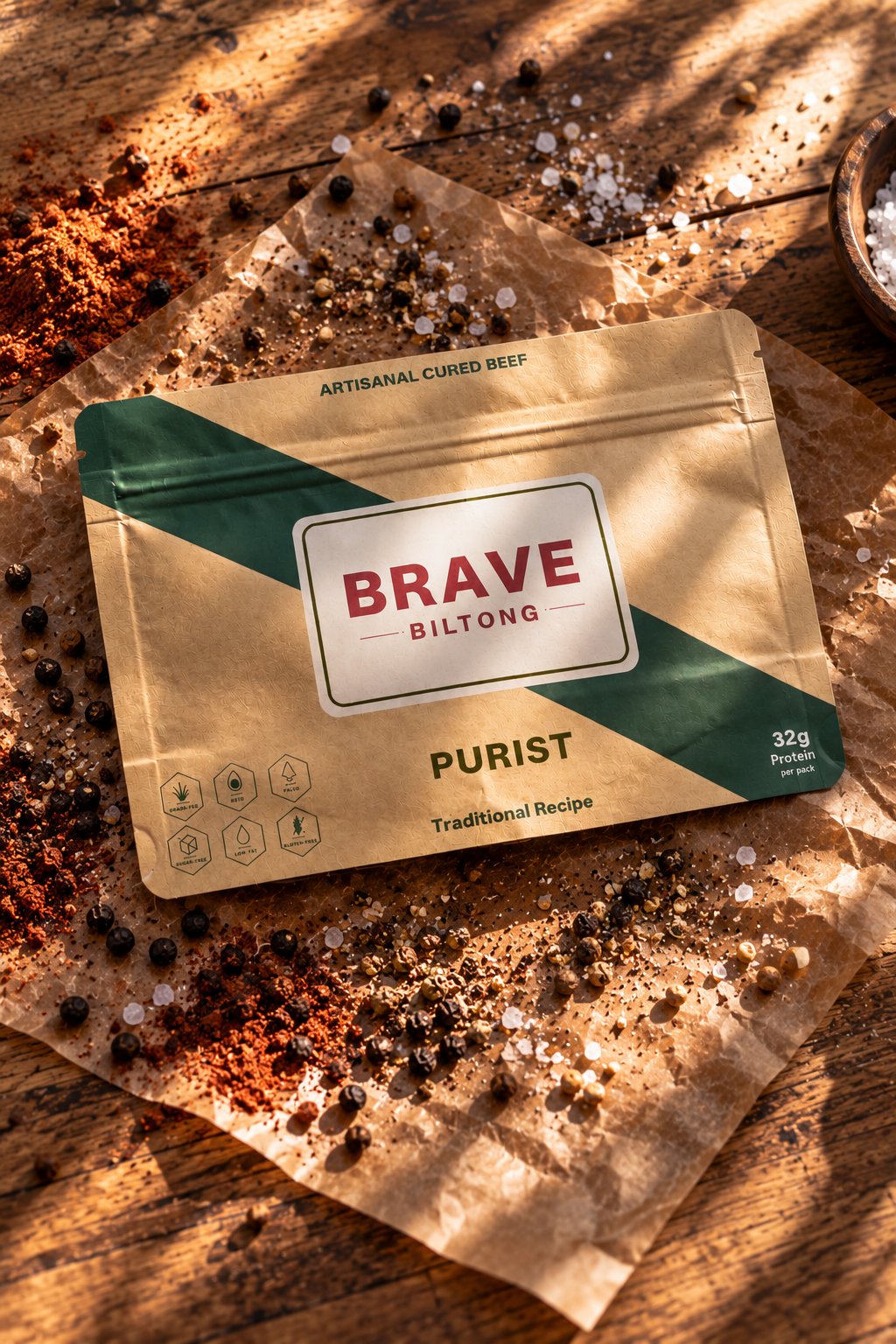
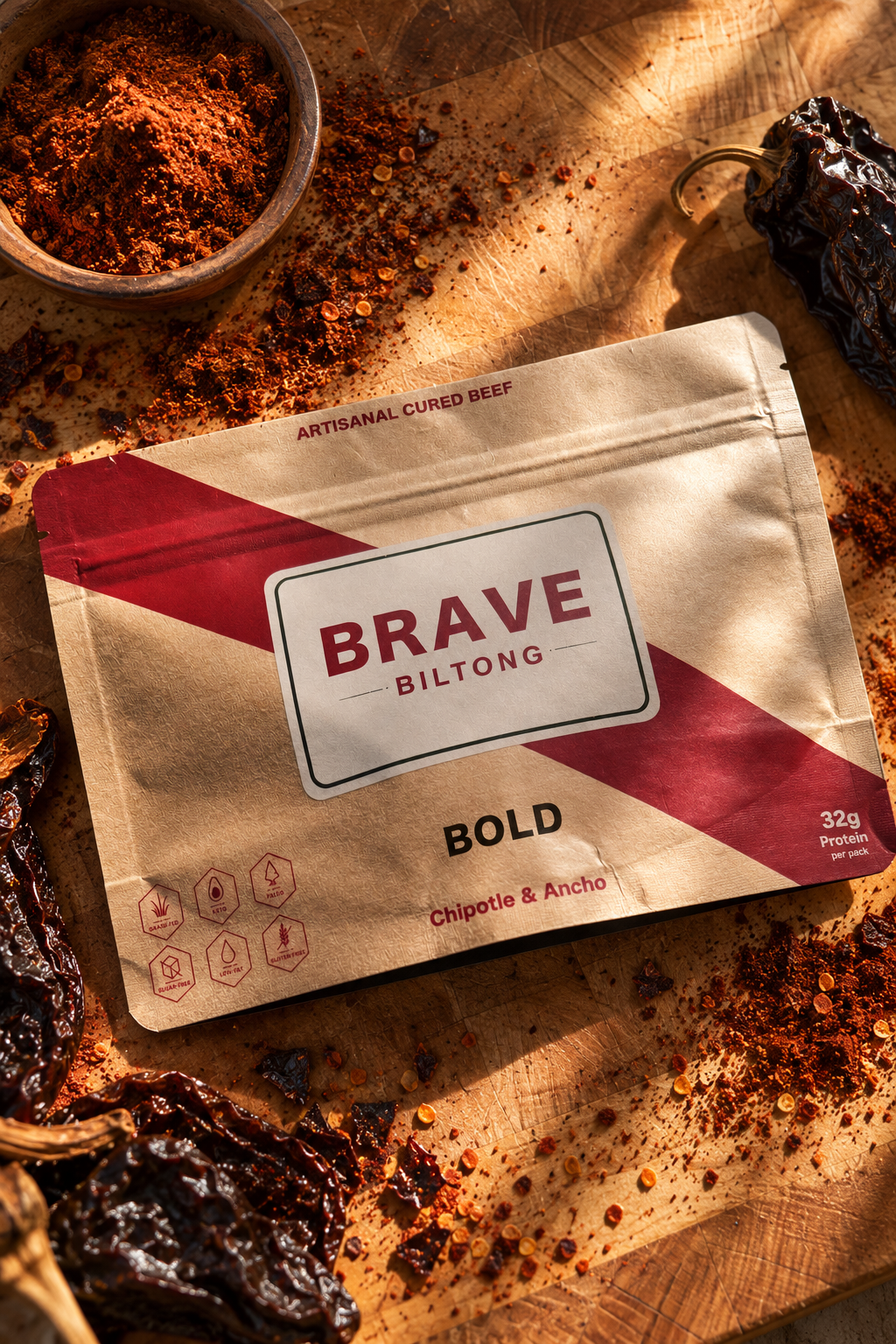
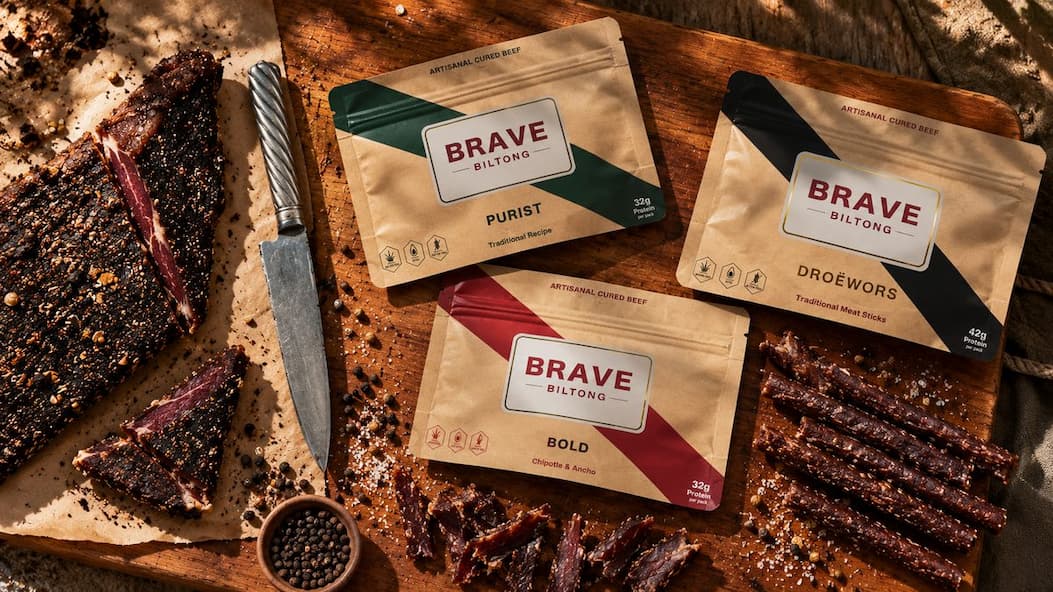
Today, when we load the KTMs for another adventure, the Brave Bundle goes in the tank bag – the traditional biltong we had crossing those Utah desert sections. It's designed for exactly this: compact, portable, won't deteriorate in heat or cold, and provides sustained energy without the sugar crash.
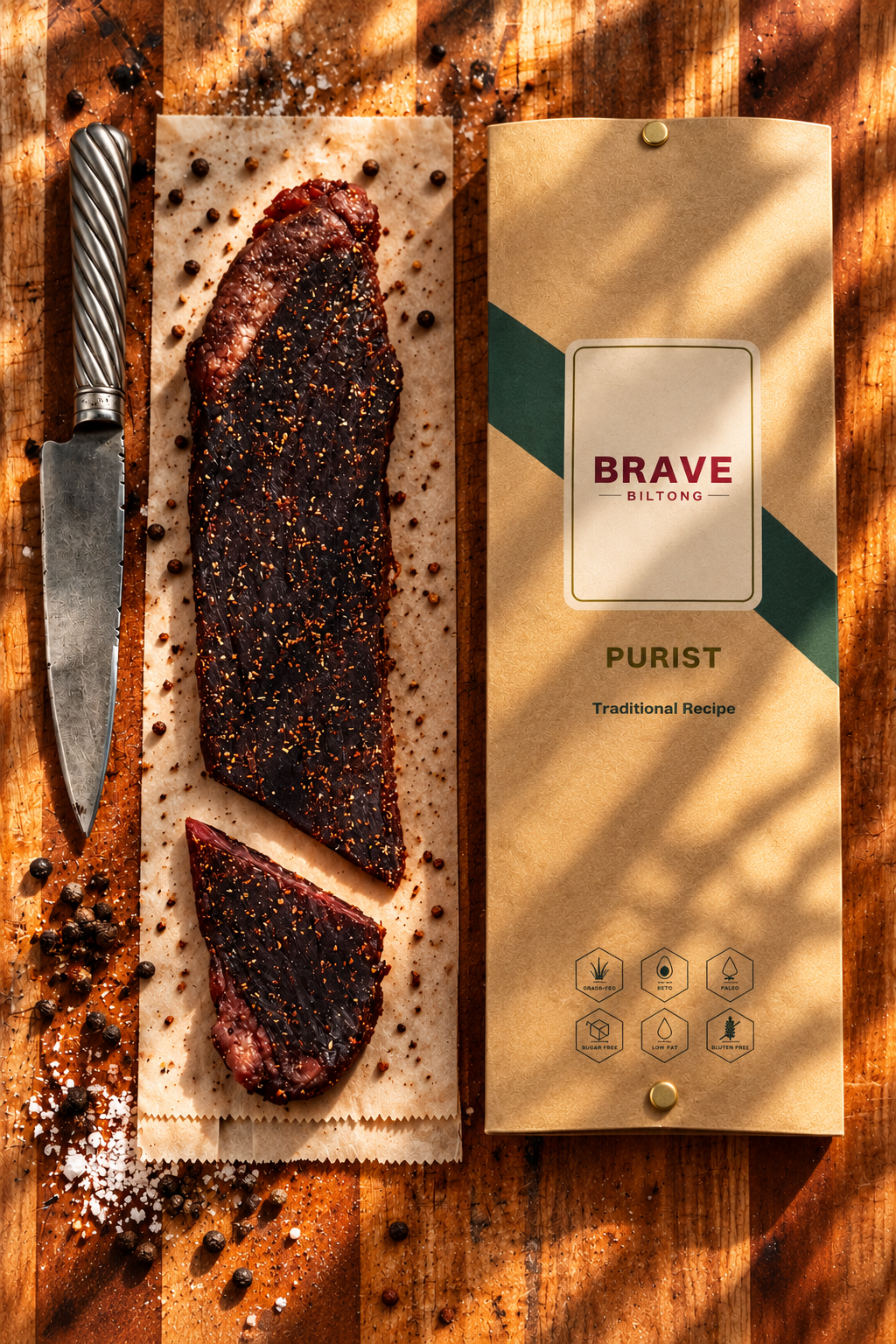
For those base camp moments, the Purist Slab brings the ritual we discovered that night stealth camping – slicing your own biltong with a pocket knife, sharing stories of the day's ride, connecting with the traditional way this protein has fueled adventurers for generations.

Rider's Route Notes: Moab to Yellowstone
Total Distance: ~850 miles
Recommended Season: October (fewer crowds, perfect weather)
Bike Requirements: Adventure/dual-sport capable (BDR sections included)
Key Waypoints:
- Moab, UT: 38.5733° N, 109.5498° W
- Dead Horse Point: 38.4869° N, 109.7376° W
- Castle Valley: 38.6547° N, 109.4501° W
- BDR Utah Entry: 39.1911° N, 110.8149° W
- Grim Cycles, Orem: 40.2969° N, 111.6946° W
- Snake River Overlook: 43.0758° N, 110.7624° W
- Cowboy Bar, Jackson: 43.4799° N, 110.7624° W
- Old Faithful Inn: 44.4605° N, 110.8281° W
The Bottom Line: Fuel Your Adventure Right
The bikes might change, the route may differ but two things remain constant: the search for the next horizon and the biltong that fuels the journey. The difference now? We're not just carrying it for ourselves.
Whether you're training with legends like Chris Birch, exploring the backroads between Moab and Yellowstone, or just need a healthy snack that actually delivers on protein without the sugar bomb, Brave Biltong can change everything.